
River+
Global Furniture Group
Built. Adapts. Endures.

You have no recently viewed items.


Desks
Workstations
Office Chairs
Guest Chairs
Conference Chairs
Conference Tables
Pedestals & Filing Cabinets
Office Storage
Markerboards
Office Accessories

Waiting Room Chairs: 2026 Buyer’s Guide to Styles, Comfort & Durability
Key Takeaways
-
This 2026 guide helps you choose the right waiting room chairs for offices, clinics, and public spaces by comparing four main chair types guest chairs, beam seating, benches, and modular systems with concrete pricing ranges from $80 to $1,500+ per seat.
-
Comparison charts throughout break down pros, cons, durability ratings, and best-use scenarios for each chair type and upholstery option, so you can match your selection to traffic levels and budget.
-
The guide addresses specific considerations for medical waiting rooms (infection control, healthcare-grade vinyl), corporate receptions (style and branding), and small businesses with limited space (stackable chairs and layout optimization).
-
Material choices matter more than ever: healthcare-grade vinyl handles disinfectants and heavy use, while mesh backs and commercial fabrics offer breathability and design flexibility for different environments.
-
A practical FAQ section answers common questions about chair lifespan (5–10 years typical), cleaning protocols, and how to calculate the right number of seats for your room size.
- Ready to compare options? Browse our waiting room chairs to find commercial-grade seating for clinics, hospitals, medical offices, and patient waiting areas.
Introduction to Waiting Room Chairs in 2026
The chairs in your waiting room do more than hold visitors they communicate who you are before anyone speaks a word. In 2026, the combination of heightened comfort expectations and ongoing attention to hygiene means that reception seating has become a strategic investment rather than an afterthought. Whether you manage a law firm lobby in Toronto or a dental clinic in Vancouver, clients increasingly judge professionalism by the quality of your seating.
This guide exists to help you navigate the options available for office waiting room chairs with clarity and confidence. We will walk through chair types, upholstery materials, ergonomic features, and side-by-side comparisons that balance comfort, durability, hygiene, aesthetics, and price. The focus is on commercially available chairs across North America and Europe.
By the end, you will have a clear framework for selecting chairs that enhance your space, support your visitors through potentially long waits, and hold up under the demands of daily use.
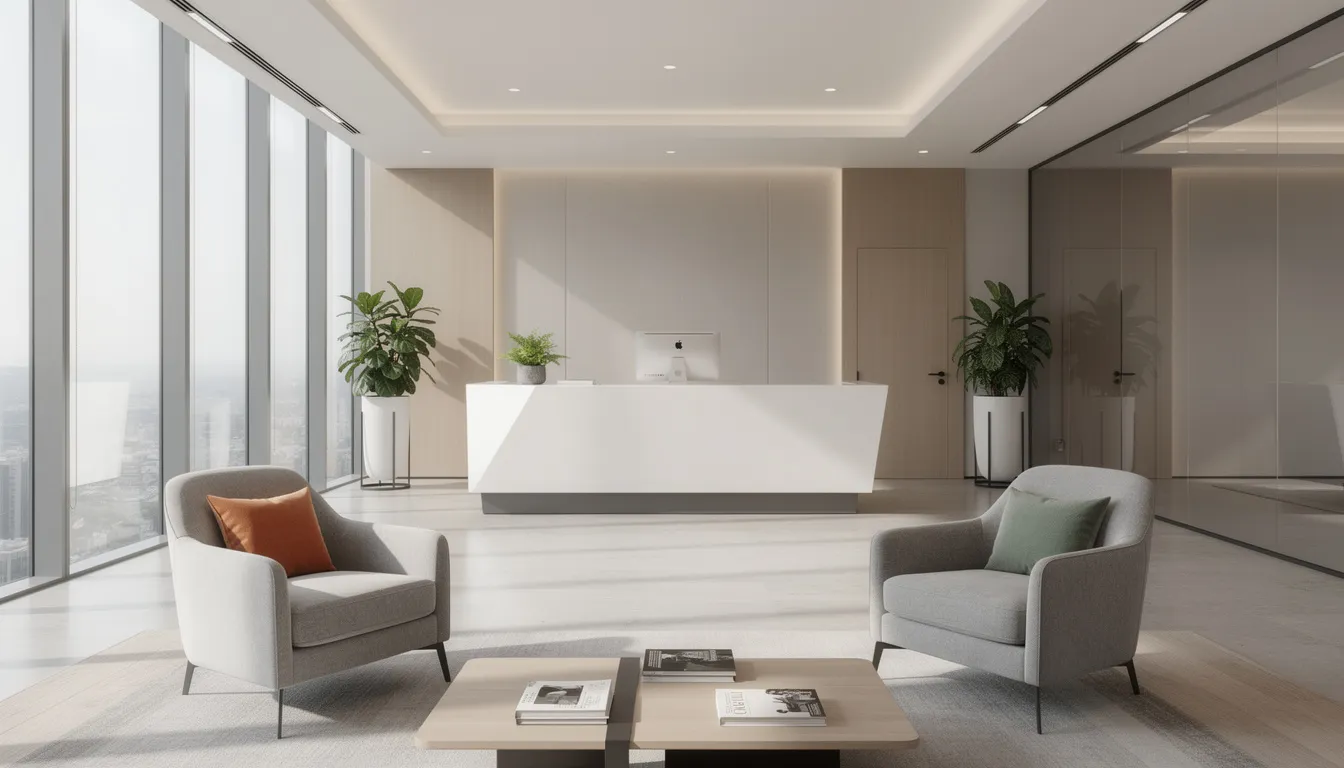
Waiting Room Chair Types: Guest Chairs, Beam Seating, Benches & Modular Systems
Understanding the four main categories of 2026 waiting room seating is the first step toward making a smart purchase. Each type serves different needs, and many successful layouts combine multiple options.
|
Chair Type |
Typical Price Per Seat (USD) |
Ideal Room Size |
Comfort Level |
Best Industries |
|---|---|---|---|---|
|
Individual Guest Chairs |
$120–$350+ |
Small to Medium |
High |
Legal, medical, financial, salons |
|
Beam Seating |
$120–$250+ per seat |
Medium to Large |
Moderate |
Hospitals, airports, government |
|
Benches |
$60–$150+ per seat |
Any (short waits) |
Low to Moderate |
Corridors, minimalist offices |
|
Modular/Lounge Systems |
$400–$1,500+ per module |
Medium to Large |
High |
Tech, co-working, pediatric |
Later sections provide detailed pros and cons for each type. For now, think of this table as your quick reference when you need to match a chair style to your specific situation.
Mixed layouts remain common for 2026 remodels. Many offices combine guest chairs near the reception desk with a bench against one wall, creating visual variety while accommodating different visitor preferences.
Individual Guest Chairs
Guest chairs are single seats with or without armrests that offer the most flexibility for professional offices, small clinics, and meeting spaces. They allow you to arrange seating in rows, clusters, or scattered configurations depending on your floor plan.
Typical dimensions include seat heights of 17–19 inches, with standard weight capacities of 250–400 lbs. For inclusive design, bariatric guest chairs supporting 600–750 lbs are readily available in 2026, often featuring reinforced steel frames and wider seats.
2026 Price Range: Commercial-grade guest chairs typically run $120–$350+ per chair. Bulk orders of 10 or more often reduce per-unit costs.
Frame materials influence both style and durability:
-
Powder-coated steel offers industrial strength and a modern look
-
Solid hardwood (oak, maple) provides warmth and traditional appeal
-
Molded plastic works for budget-conscious or ultra-modern spaces
Common use cases include law firms, consulting offices, small medical practices, high-end salons, and financial institutions where visitors expect a polished, professional touch.
Beam Seating (Tandem Seating)
Beam seating connects multiple seats to a shared metal beam, typically in configurations of 2–5 seats per unit. You will find these in hospitals, airports, and large government waiting areas where maximizing capacity and simplifying maintenance are priorities.
A standard 3-seat beam unit measures 72–78 inches wide, with optional padded armrests between seats for added comfort and personal space definition. Compared to arranging three separate guest chairs (which might require 84+ inches including spacing), beam seating saves approximately 10–15% of floor space while keeping seats permanently aligned.
2026 Price Range: $350–$900+ per beam unit depending on seat count and upholstery choice. Installation may require attention to leveling and wall clearance, wallsaver legs position units 1–2 inches from walls, simplifying floor cleaning.
Beam seating is preferred where cleaning underneath and between seats is a priority. The fixed configuration prevents chairs from drifting out of position and creates clean lines that contribute to a professional environment.
Benches & Backless Seating
Benches are long, often backless seats that accommodate variable numbers of people. They work well for short waits and tight spaces where a minimal footprint matters.
Common applications include corridors, small entryways, and minimalist offices seeking an uncluttered aesthetic. Materials range from upholstered tops with high-density foam to solid wood slats and vinyl-covered pads.
2026 Price Range: $180–$500+ per bench (typically seating 2–4 people).
|
Advantage |
Disadvantage |
|---|---|
|
Space-efficient |
Limited back support |
|
Clean, modern look |
Less defined personal space |
|
Easy to clean underneath |
Not ideal for waits over 15 minutes |
|
Lower cost per seat |
May exclude visitors needing arm support |
For a balanced approach, pair benches with a few reception chairs featuring arms to accommodate older visitors or those with mobility challenges. This combination maintains the streamlined aesthetic while supporting diverse needs.
Modular & Lounge Seating Systems
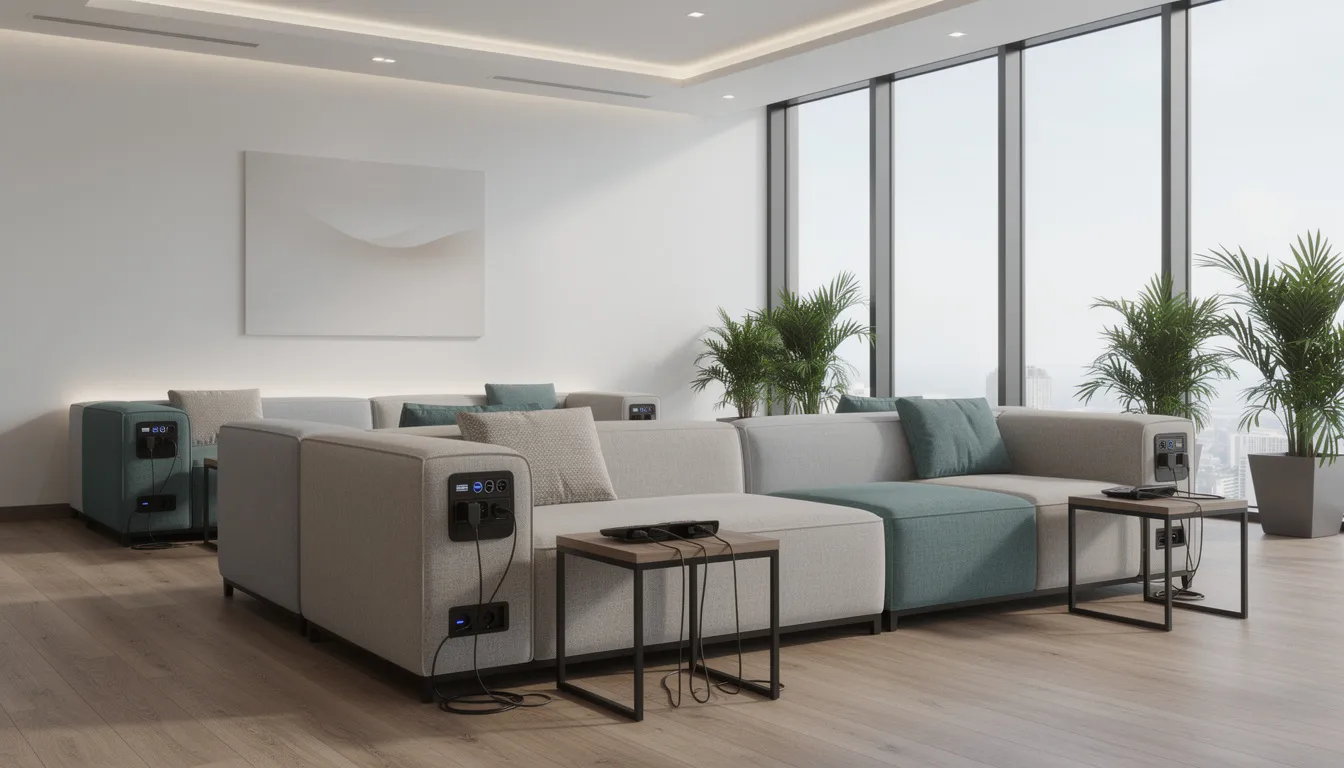
Modular seating consists of interlocking chairs, ottomans, and curved or straight sofa units that can be rearranged into U-shapes, islands, or serpentine layouts. These systems have grown popular in 2026 co-working spaces, tech company lobbies, and pediatric waiting rooms where flexibility and softer, lounge-style comfort create a welcoming atmosphere.
2026 Price Range: $400–$1,500+ per module, with total project costs varying based on configuration size.
Optional features that have become standard since 2023 include:
-
Integrated power outlets
-
USB-C charging ports
-
Built-in side tables
-
Sound-absorbing recycled fiber panels
Modular systems require careful space planning. They may not suit very small rooms (under 150 square feet) or ultra-high-traffic, budget-constrained environments where individual stackable chairs would offer better value and easier replacement.
Looking for durable seating for your healthcare reception area? Shop our waiting room chairs to find comfortable, commercial-grade options for clinics, hospitals, dental offices, and patient waiting areas.
Upholstery & Materials: Vinyl, Fabric, Leather & Mesh
Material selection in 2026 is driven by four factors: cleaning requirements, durability under heavy use, comfort during extended waits, and alignment with your brand image. Healthcare and dental settings often follow infection control guidelines recommending non-porous, bleach-cleanable materials, while corporate offices may prioritize texture and design variety.
The following comparison outlines the four main material categories:
|
Material |
Durability |
Cleanability |
Comfort |
Best For |
|---|---|---|---|---|
|
Healthcare-Grade Vinyl |
200,000+ double rubs |
Excellent (EPA disinfectant compatible) |
Moderate |
Medical, dental, high-traffic public |
|
Commercial Fabric |
100,000+ double rubs |
Good (with stain treatment) |
High |
Corporate, counseling, upscale salons |
|
Genuine/Faux Leather |
Varies by quality |
Good to Excellent |
High |
Executive, boutique hotels, professional services |
|
Mesh/Mixed Materials |
Moderate |
Good |
High (breathable) |
Tech, contemporary clinics, modern offices |
Material choice directly influences warranty length and expected lifespan. High-quality vinyl or commercial fabric typically lasts 5–10 years in standard commercial cycles. Sustainable and recycled-content fabrics have gained significant traction by 2026, especially in LEED or BREEAM-certified buildings seeking environmental credentials.
Healthcare-Grade Vinyl
Healthcare-grade vinyl stands as the top choice for medical waiting rooms because it is non-porous, moisture-resistant, and compatible with EPA-registered disinfectants. This material handles the realities of high traffic spaces where frequent cleaning is non-negotiable.
Performance metrics matter: look for upholstery rated at 200,000+ double rubs on Wyzenbeek tests, indicating exceptional durability for intensive use.
Advantages:
-
Easy to wipe clean with standard disinfectants
-
Strong stain and fluid resistance
-
Wide color range for design flexibility
-
Compatibility with infection-control cleaning protocols
Disadvantages:
-
Can feel warmer or less breathable during long waits
-
Lower-quality versions may crack in very dry environments
-
Less soft to the touch than fabric or leather
Pediatric clinics in 2026 increasingly specify PVC-free vinyl for reduced chemical emissions, balancing infection control with health considerations for young patients.
Woven Commercial Fabric
Commercial fabric offers a more breathable, residential feel that appeals to corporate offices, counseling centers, and upscale salons. The upholstered seat in fabric provides warmth and texture that vinyl cannot match.
Stain-resistant treatments like Crypton and Nano-Tex help these fabrics perform in high traffic areas while still requiring more attention for spills than vinyl alternatives.
Advantages:
-
Softer hand feel with added comfort
-
Stronger design options including patterns and textures
-
Often perceived as more inviting than plastic or vinyl
-
Better breathability for long waits
Disadvantages:
-
More vulnerable to spills and deep staining
-
Less suitable for settings with bodily fluid exposure
-
Requires periodic professional cleaning
For waiting rooms expecting daily traffic, specify commercial-grade fabrics with at least 100,000 double rubs. Anything below this threshold will show wear too quickly in professional settings.
Genuine & Faux Leather
The distinction between genuine leather and synthetic alternatives (bonded leather, PU leather) matters significantly for both budget and maintenance.
Genuine Leather:
-
Premium appearance that ages gracefully
-
Long lifespan with proper conditioning
-
Ideal for executive suites, boutique hotels, and high-end professional services
-
Sensitive to harsh cleaners and humidity fluctuations
Faux Leather:
-
Lower cost with consistent color and texture
-
Cruelty-free option for values-driven organizations
-
Easier maintenance with standard cleaners
-
Commercial-grade versions rated for healthcare and hospitality use
Low-quality faux leather can peel or crack after 2–3 years of heavy use. For busy public waiting areas, invest in commercial-grade synthetic leather explicitly rated for high-traffic applications.
Mesh Backs & Mixed-Material Designs
Many 2026 room chairs combine mesh backs with padded seats, delivering breathability alongside comfort. This mixed approach suits tech companies and contemporary clinics seeking a modern, lightweight aesthetic.
Advantages:
-
Improved airflow reduces heat buildup
-
Lower visual bulk in small spaces
-
Mid-range price points ($150–$300)
-
Easy to clean materials in most configurations
Disadvantages:
-
Mesh can snag if mishandled
-
May appear too informal for traditional or luxury environments
-
Limited warmth compared to fully upholstered options
To prevent a “cubicle” atmosphere, pair mesh seating with solid wood side tables and warm finishes. Good interior design balances functional mesh with softer elements that create a cohesive, welcoming space.
Ergonomics & Comfort: Designing for Real Visitors
Average wait times of 15–45 minutes are common across clinics and offices in 2026. This makes ergonomics a practical necessity rather than a luxury upgrade. Visitors who sit comfortably feel less anxious and perceive wait times as shorter.
Core ergonomic elements to evaluate:
|
Element |
Recommended Specification |
|---|---|
|
Seat Height |
17–19 inches |
|
Seat Width |
18–22 inches (standard), 24–30 inches (bariatric) |
|
Back Angle |
100–110 degrees (slight recline) |
|
Weight Capacity |
275–400 lbs (standard), 500–750 lbs (bariatric) |
|
Armrest Height |
7–9 inches above seat |
Inclusive design means offering bariatric seating options, arm heights that support sit-to-stand movement, and clear floor space for wheelchairs. ADA considerations in the US and general accessibility best practices should guide your layout without requiring you to become a compliance expert.
Seat Dimensions & Support
Consistent seat widths across your waiting room look better and feel more predictable to guests. Standard commercial chairs offer 18–22 inch widths, while bariatric models extend to 24–30 inches.
Foam specification directly affects long-term comfort and durability:
-
Density: 2.5–3.0 lb high-density foam resists sagging
-
Thickness: 3–4 inches provides substantial cushioning
-
Contour: Gently curved seat pans reduce pressure points
Backrests should support the lumbar curve. Consider including at least one or two high-back chairs with explicit lumbar support in each waiting area for visitors who need extra spinal support.
Practical tip: When evaluating samples, sit for 20–30 minutes rather than just a quick test. This reveals comfort issues that brief trials miss.
Armrests & Mobility Considerations
Padded armrests serve a critical function beyond comfort: they help many visitors stand up safely. Older adults, pregnant people, and those with joint pain rely on arms for support.
Design considerations for 2026:
-
Armrest height of 7–9 inches above the seat provides leverage for standing
-
Width should not be so excessive that it limits seating capacity
-
Open-front arm designs allow side entry for those with limited leg mobility
-
Mix chairs with and without armrests to serve different preferences
In connected beam seating, continuous arms between seats can create barriers for larger visitors. Ensure at least a portion of your seating offers open or bariatric-friendly spacing.
Durability, Cleaning & Maintenance in High-Traffic Spaces
Replacing worn chairs costs more than buying durable ones initially. Smart selection in 2026 reduces long-term expenses while maintaining the professional impression your waiting area creates.
Traffic levels influence construction and finish choices:
|
Traffic Level |
Expected Use |
Recommended Construction |
Lifespan |
|---|---|---|---|
|
Low |
Under 20 visitors/day |
Commercial-grade essential |
7–10 years |
|
Medium |
20–50 visitors/day |
Mid-range with reinforced frames |
5–8 years |
|
High |
50+ visitors/day |
Premium with welded steel, healthcare upholstery |
5–7 years |
Many 2026 manufacturers publish cleaning codes and lists of approved disinfectants, particularly for healthcare-grade vinyl and coated fabrics. Prioritize chairs with replaceable cushions, removable covers, or field-replaceable components where possible.
Frames, Joints & Weight Capacity
Frame construction determines whether your chairs survive years of intensive use or fail prematurely.
Frame Types:
-
Welded steel: Best durability for busy waiting rooms; no joints to loosen
-
Bolted steel: More affordable; requires periodic tightening
-
Hardwood (oak, maple): Traditional aesthetic; excellent durability with proper joinery
Weight capacity matters for inclusivity and liability. Specify at least 250–300 lbs for standard chairs and 500–750 lbs for bariatric models. Stabilized legs or sled bases prevent tipping when visitors shift weight.
Commercial warranties for quality office reception chairs typically range from 5 to 15 years on frame components. Check whether replacement glides or non-marring feet are available—this extends chair life on hard floors like LVT or tile.
Cleaning Protocols & Infection Control
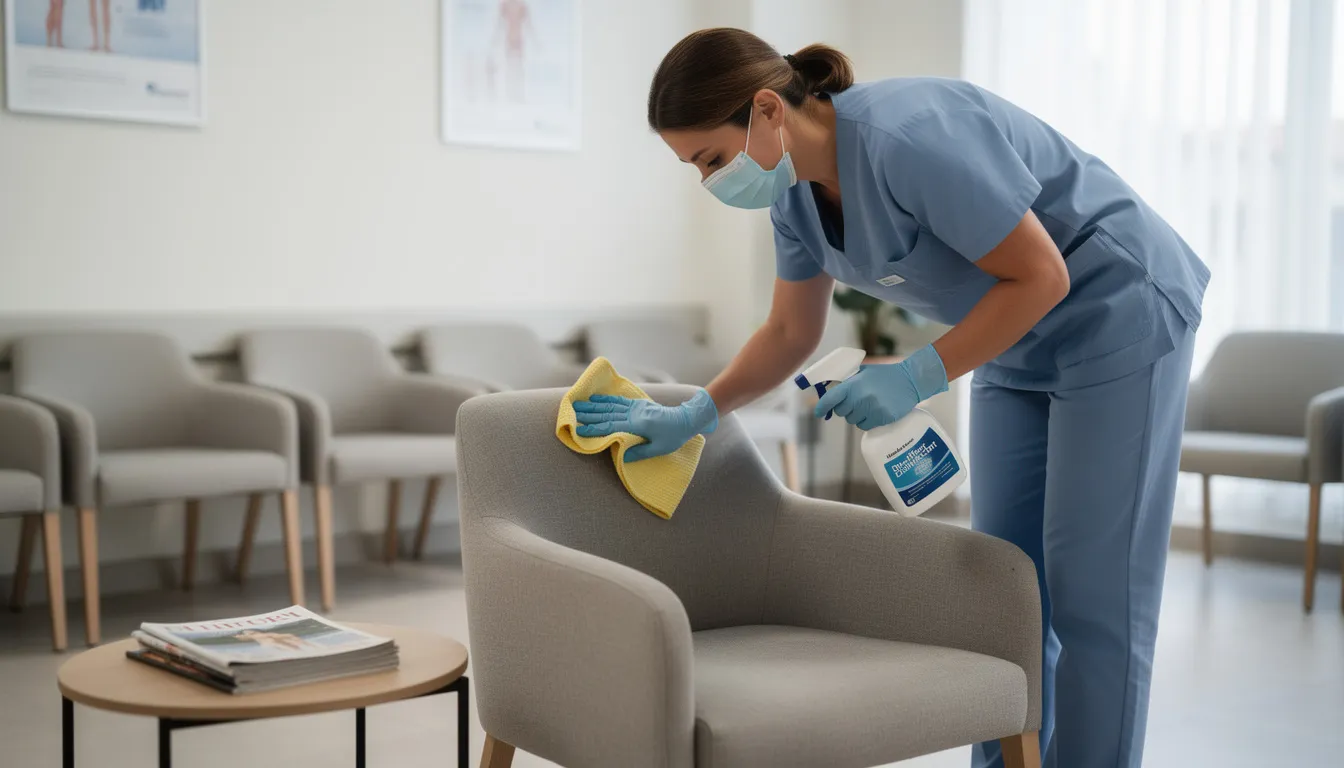
In busy waiting rooms, visible wipe-downs should occur several times daily, with deeper cleaning weekly. This frequency demands upholstery that can handle repeated disinfectant exposure.
Material compatibility checklist:
-
Healthcare-grade vinyl: Compatible with 1:10 bleach solutions, hydrogen peroxide wipes
-
Commercial fabric with treatment: Spot-clean with approved cleaners only
-
Faux leather: Most standard cleaners safe; verify with manufacturer
Design features that simplify cleaning include removable seat pans, 1-inch clean-out gaps between seat and back, and wallsaver legs that keep chairs away from baseboards. These elements make a measurable difference in medical and dental practices.
For non-medical offices, darker or patterned fabrics hide minor stains while maintaining a polished appearance. Train staff to follow manufacturer cleaning instructions—improper chemical use can void warranties or damage upholstery.
Style & Branding: Matching Chairs to Your Space
Waiting room chairs are part of a broader brand experience in 2026. Color choices, leg finishes, and silhouettes all communicate your organization’s values before any conversation begins.
Industry-aligned approaches:
-
Healthcare: Calm, soft colors; easy to clean materials; reassuring neutrals
-
Creative agencies: Bold contrasts, unexpected shapes, contemporary materials
-
Financial and legal services: Warm neutrals, wood accents, traditional profiles
Coordinate chairs with flooring, wall colors, and lighting rather than selecting seating in isolation. Using accent chairs—perhaps two colorful armchairs—adds interest while keeping bulk seating in neutral tones that suit changing decor.
Example combination: A modern clinic might pair black metal-frame mesh guest chairs with oak side tables, creating a professional touch that feels both contemporary and warm.
Color, Finish & Visual Comfort
Very bright or high-contrast patterns can feel visually noisy, especially in medical settings where patients may already feel anxious. The goal is an environment where visitors can relax.
Popular 2026 color palettes:
-
Soft greens and muted blues (calming, clinical)
-
Warm grays and taupes (professional, flexible)
-
Light wood tones (welcoming, natural)
-
Charcoal and navy (sophisticated, corporate)
Frame finish options include brushed stainless steel for modern spaces, black powder-coated metal legs for versatility, and walnut or oak-look finishes for warmth. Subtle fabric textures hide wear while appearing upscale.
Good lighting enhances seating appearance significantly. Natural light or LED fixtures with warm color temperatures (2700K–3000K) make the difference between chairs that look inviting versus institutional.
Specialized Medical Waiting Room Aesthetics
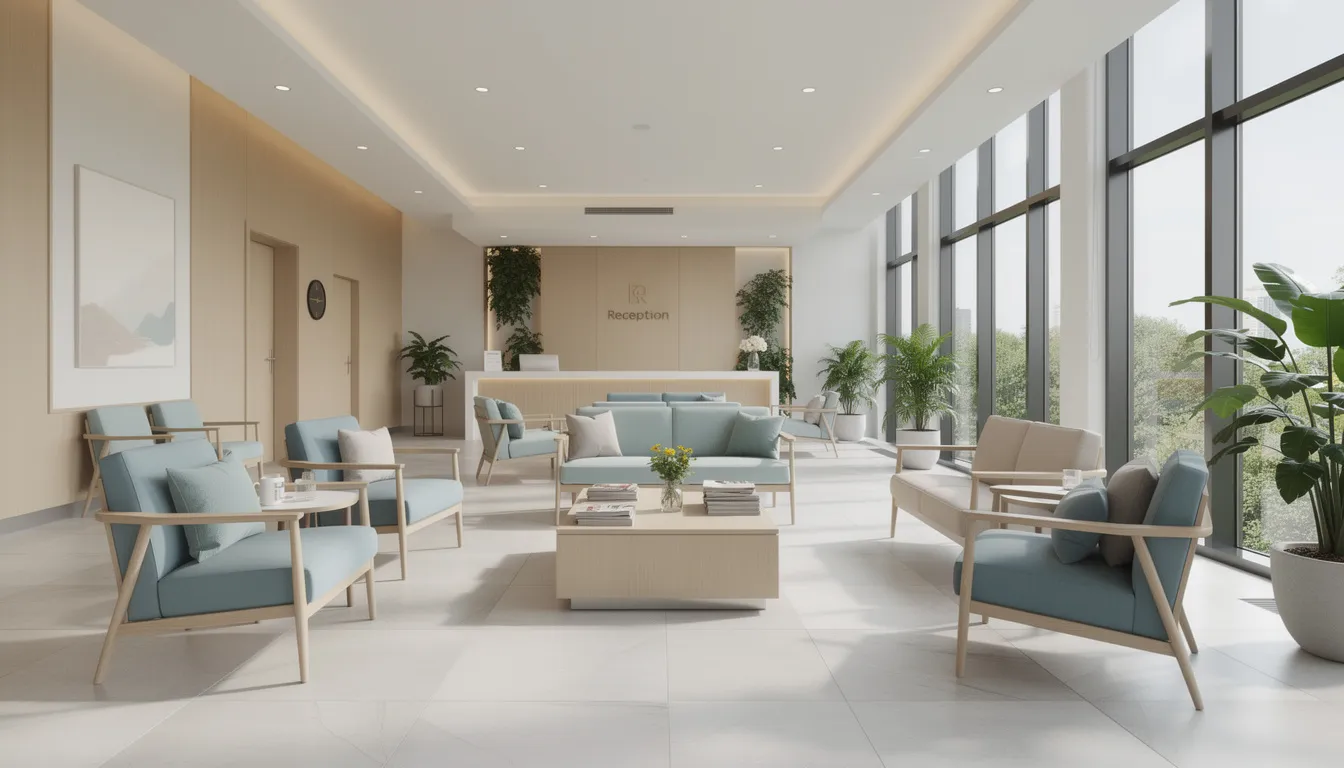
Medical environments like clinics, outpatient centers, dental offices, imaging centers require balancing cleanliness with visual calm. The reception area sets patient expectations for care quality.
Design strategies for medical spaces:
-
Separate children’s play corners with brighter, playful chairs
-
Keep main seating subdued for adult patients
-
Use artwork, plants, and acoustic panels alongside seating to reduce stress
-
Specify rounded corners on arms and tables to minimize injury risks
Example scenario: A 2026 pediatric waiting room might feature modular, wipeable seats in soft teal and gray vinyl, low-height benches for children, and several higher-back chairs for parents. This combination serves multiple age groups while maintaining infection control standards.
Budgeting, Layout & Buying Strategy for 2026
Estimating seat count starts with peak occupancy analysis. A practical rule: plan for 1.2–1.5 seats per expected peak visitor count. If you typically have 10 people waiting at busy times, you need 12–15 seats.
Balancing per-seat cost with long-term durability often means slightly higher upfront investment pays dividends through reduced replacement cycles. A $250 chair lasting 8 years costs less annually than a $150 chair needing replacement at year 4.
Planning steps:
-
Sketch a simple floor plan or use online room planners from furniture vendors
-
Account for delivery timelines (4–10 weeks for custom upholstery vs. quick-ship stock items)
-
Verify local building codes, fire safety standards, and accessibility regulations
Supply chain realities in 2026 favor advance planning. Custom colors or configurations require longer lead times, while standard options ship faster.
Cost Ranges & Comparison by Chair Type
Understanding 2026 pricing helps you allocate budget effectively across your waiting area.
|
Category |
Per-Seat Cost (USD) |
Expected Lifespan |
Maintenance Needs |
|---|---|---|---|
|
Budget metal/plastic guest chairs |
$80–$150+ |
3–5 years |
Low |
|
Mid-range upholstered guest chairs |
$150–$300+ |
5–8 years |
Moderate |
|
Beam seating (per seat) |
$120–$250+ |
6–10 years |
Low |
|
Lounge/modular (per module) |
$400–$1,500+ |
8–12 years |
Moderate |
Spending more makes sense for chairs used 8–10 hours per day, 5–6 days a week. Higher-quality foam and upholstery justify the premium in high traffic environments.
Scenario calculation: Equipping a 12-seat medical waiting room with mid-range vinyl guest chairs at $225 each totals $2,700. A comparable modular system might run $4,500–$6,000 but offers enhanced aesthetics and configuration flexibility. Your choice depends on whether the space demands practical efficiency or premium visitor experience.
Many suppliers offer bulk discounts (10–15% on orders of 20+ chairs) and financing options for larger purchases.
Layout Tips for Different Room Sizes
Practical layout starts with circulation. Maintain at least 36 inches of clear walking space, provide wheelchair turning radius (60 inches minimum), and avoid blocking door swings.
Space-specific guidance:
For small waiting rooms (6–8 seats):
-
Individual guest chairs usually work better than bulky sofas
-
Stackable chairs offer flexibility for multi-use spaces
-
Avoid modular systems that overwhelm limited square footage
For medium rooms (10–20 seats):
-
Consider zoning: quieter corner for families, row near desk for quick appointments
-
Mix seating types for visual interest and varied needs
-
Position power outlets and side tables to prevent cord hazards
For large rooms (20+ seats):
-
Beam seating creates efficient rows
-
Add lounge clusters to break up institutional feeling
-
Include extra-spaced seating for immunocompromised or anxious visitors
Place at least one or two seats with breathing room for visitors who prefer separation—a concern that remains relevant in post-2020 health awareness.
Frequently Asked Questions about Waiting Room Chairs (2026)
How many waiting room chairs do I really need for my office?
Use the 1.2–1.5 multiplier against your expected peak visitor count. For a small business with 5 people waiting at busy times, plan for 6–8 seats. Medium offices with 15 peak visitors need 18–22 seats. Large clinics with 30+ visitors should plan for 36–45 seats. Always round up, empty chairs look better than standing visitors.
What is the typical lifespan of commercial waiting room chairs?
Expect 5–10 years depending on material quality, traffic level, and maintenance consistency. Premium chairs with welded steel frames and healthcare-grade upholstery in moderate traffic can exceed 10 years. Budget options in high-traffic settings may need replacement at year 3–4. Most 2026 commercial warranties cover frames for 5–15 years and upholstery for 2–5 years.
Can I use residential chairs in my waiting room to save money?
Residential furniture typically lacks commercial durability ratings, fire safety certifications, and appropriate warranties. A residential chair rated for home use might fail quickly under daily office traffic. If budget is tight, mix commercial-grade chairs in high-traffic spots with residential options in lower-use areas, but understand the risk of faster wear and potential liability issues.
How do I choose chairs that are accessible and inclusive?
Include bariatric chairs (500–750 lb capacity) in your mix at least one for every 10 standard seats. Offer varied seat heights and ensure some chairs have armrests for sit-to-stand support. Maintain clear wheelchair spaces (36 inches minimum width). Choose armrests at 7–9 inches above seats, and consider open-front arm designs for side entry. These elements align with ADA guidelines while serving diverse visitor needs.
What’s the easiest upholstery to keep clean in a medical or dental waiting room?
Healthcare-grade vinyl compatible with EPA-registered disinfectants offers the best cleanability. Look for materials rated at 200,000+ double rubs that can handle 1:10 bleach solutions or hydrogen peroxide wipes. Chairs with 1-inch clean-out gaps between seat and back simplify debris removal. Choose mid-tone colors or subtle patterns to hide minor stains between cleanings while maintaining a professional appearance.
Contact Us
- Choosing a selection results in a full page refresh.

!